Emergency Roof Repair in Maricopa County
24/7 emergency roof repair for Arizona homes. Leak repair, storm damage, wind damage, hail damage. Licensed ROC #358508. Call (602) 849-7990.
More on tile roof repair and flat roof repair.
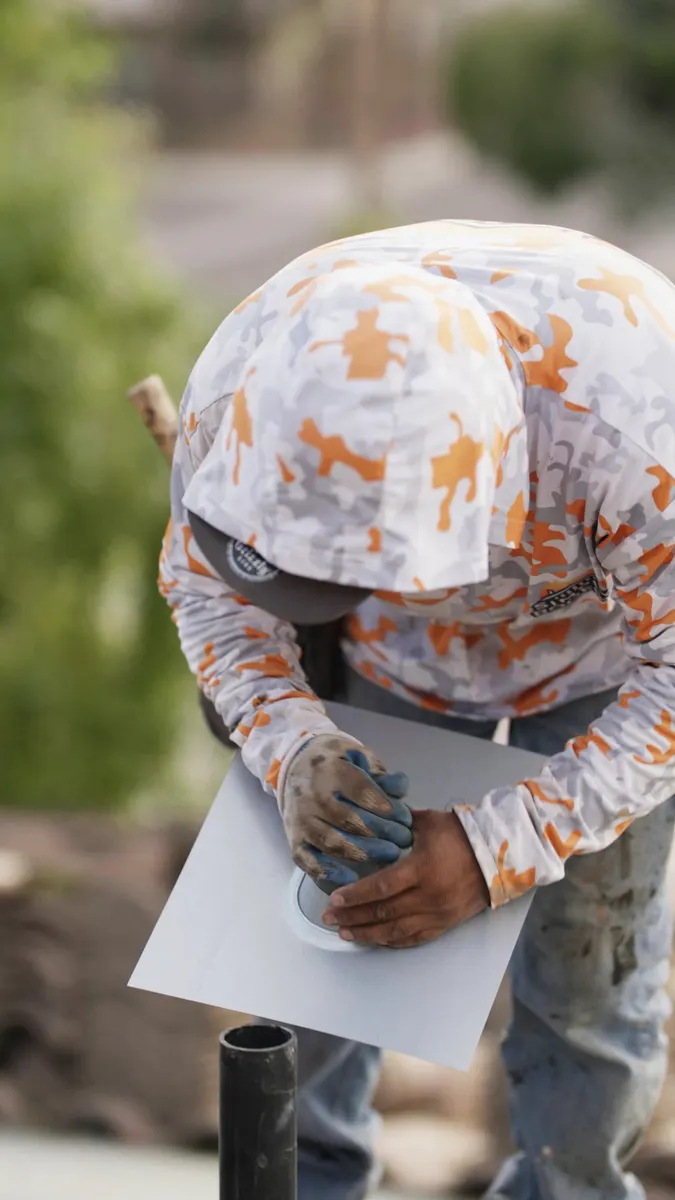
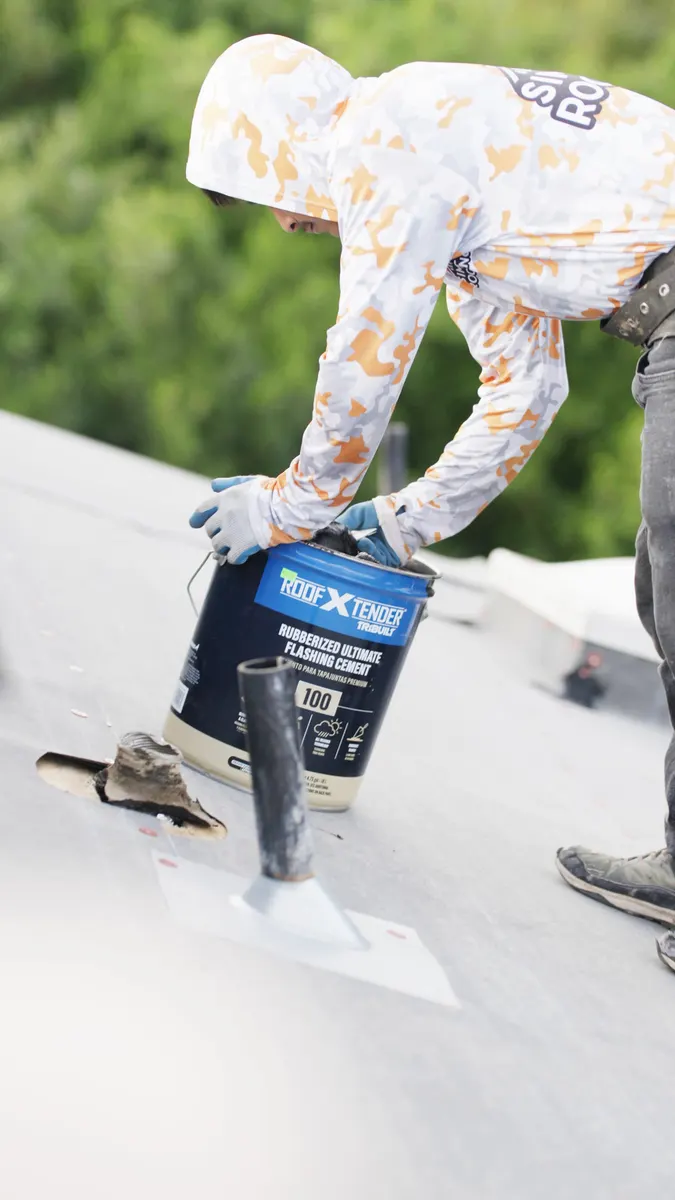
Flashing Repair Work
Roof Repair in Arizona: What Fails, What It Costs, and How We Fix It
Most roof leaks in the Valley come from a handful of causes, and almost none of them are where the stain on the ceiling is. Water gets in at one spot, runs along the underlayment or a rafter, and drips out somewhere else. A good repair starts by finding where the water really gets in.
This guide explains what we fix, why Arizona roofs fail the way they do, how repairs differ for tile, shingle, foam and metal roofs, what repairs cost, and how we decide whether a repair still makes sense or the roof needs more.
What we repair
We repair residential and commercial roofs of every common type in the Phoenix area. Typical repair jobs include:
- Leaks at valleys, skylights, chimneys, walls and vent pipes
- Cracked, slipped or broken roof tile
- Torn, lifted or missing shingles after wind
- Failed flashing where the roof meets a wall, parapet or patio cover
- Cracked or split pipe boots and roof jacks
- Worn coatings, blisters and soft spots on foam and flat roofs
- Ponding water and clogged scuppers or drains on flat roofs
- Leaks around solar panel mounts and other rooftop equipment
- Damage from fallen limbs and monsoon debris
Why Arizona roofs leak
Heat is the biggest factor. Roof surfaces here get far hotter than the air on a summer afternoon, then cool off at night. That daily cycle dries out underlayment, hardens sealants and makes flashing and roofing materials expand and shrink until joints open up.
Underlayment is the most common failure on tile roofs. Concrete and clay tile can last 50 years or more, but the underlayment beneath it usually lasts 15 to 25 years in our climate. Tile sheds most of the water, but wind-driven monsoon rain always gets some under the tile, and once the underlayment is brittle and cracked, that water reaches the roof deck.
Monsoon season, which runs June 15 to September 30, brings sudden high winds, heavy rain and sometimes hail. Wind lifts and breaks tile, tears shingles and pushes water sideways under flashing. A roof with small weaknesses often shows them for the first time during the first big storm of the year.
Flat and low-slope roofs have their own problems. Water drains slowly, so any low spot holds water after a storm, and the sun breaks down coatings that are not renewed on schedule. Many Valley homes have a flat section over a carport, patio or addition, and the seam where it meets the main roof is a common leak point.
Finally, anything that goes through the roof is a weak point: vent pipes, skylights, satellite and solar mounts, and the cooler or AC stands on older homes. Each one needs flashing that stays sealed through years of heat.
Repairs by roof type
Tile roofs: we lift the tile around the leak, find where the underlayment or flashing has failed, repair that area with new underlayment and flashing, and reset the tile. Broken tile is replaced with the closest matching profile and color we can find. On older roofs where the original tile is no longer made, we can move original tile to the most visible slopes and put replacements where they won't show.
Shingle roofs: we replace damaged or missing shingles, reseal or replace flashing, and replace cracked pipe boots. If many shingles are brittle or losing their granules, we will tell you, because new shingles patched into a worn-out roof don't buy much time.
Foam and flat roofs: we find soft or wet areas, cut out foam that has taken on water, rebuild those areas, and recoat. We also clear scuppers and drains and look at why water is ponding, since a recoat over a drainage problem won't last.
Metal roofs: most metal roof leaks come from loose or backed-out fasteners, failed sealant at trim and panel laps, or damaged flashing. We tighten or replace fasteners, reseal laps and trim, and replace damaged panels.
Monsoon and emergency repairs
When a storm opens up your roof, the first job is stopping more water from getting in. We cover open areas with temporary protection, then come back for the permanent repair once the roof is dry and materials are on hand.
If you plan to file an insurance claim, we photograph and document the damage before and during the repair, and we can meet your adjuster at the house. Whether a claim is approved, and for how much, is up to your insurance company.
After any big storm, it is worth having the roof checked even if nothing is leaking yet. Cracked tile and lifted flashing often don't leak until the next storm.
What a roof repair costs
Most roof repairs we do in the Phoenix area cost between $300 and $5,000. A few replaced tiles or a new pipe boot is at the low end. Rebuilding a valley, repairing a section of underlayment or fixing a flat roof area with water damage is at the high end.
The main things that change the price are how much of the roof is involved, the roof type and pitch, how easy the area is to reach, whether the deck underneath is damaged, and whether matching tile is available. An estimator looks at the roof and gives you a written price before any work starts.
Repair or replace? How we decide
A repair makes sense when the damage is limited to one area and the rest of the roof still has years left. It stops making sense when the same problem is showing up in several places, because that usually means the whole roof has reached the end of its life.
These are the signs we look for before recommending more than a repair:
- A tile roof that is 15 to 25 years old or older and still has its original underlayment
- Brittle or cracked underlayment showing in more than one area when we lift tile
- Repeat leaks in different spots over the last few years
- Soft or rotted roof deck in several places
- Shingles that are curling, cracking or losing granules across the roof
- A foam roof with large wet areas, or one that was never recoated
How a repair visit works
First, an estimator inspects the roof and, when it helps, the attic, to trace where the water is getting in. You get photos of what we find and a written price for the repair.
Then our crew makes the repair. On tile roofs that means lifting tile, repairing the underlayment and flashing underneath, and resetting the tile. On other roofs it means replacing the damaged materials and resealing the area.
When the work is done, we send photos of the finished repair. If we found other problems along the way, we point them out so you can plan for them, without pressure to fix everything at once.
Permits and HOAs
Most Valley cities don't require a building permit for ordinary roof repairs, but the rules differ from city to city, and a few are not clear in their code. Each of our city guides spells out the local rule, and where it is unclear, we confirm with the city before work starts.
If you live in an HOA, repairs that keep the same materials and colors usually don't need approval. Replacing tile with a different color or profile might. We can provide product details if your HOA asks for them.
Where We Work
- Phoenix
- Mesa
- Chandler
- Scottsdale
- Gilbert
- Tempe
- Glendale
- Peoria
- Surprise
- Goodyear
- Avondale
- Buckeye
- Queen Creek
- Maricopa
- Fountain Hills
- Paradise Valley
- Cave Creek
- Carefree
- Litchfield Park
- Tolleson
- El Mirage
- Wickenburg
- Youngtown
- Guadalupe
- Sun City
- Sun City West
- Sun Lakes
- Gold Canyon
- Apache Junction
- Anthem
- New River
- Rio Verde
- Ahwatukee
- Fort McDowell
Guides and cost breakdowns
- Cracked, Slipped and Broken Roof Tiles in Arizona: Causes, Repair and Cost (Guide)
- Flat Roof Drainage in Arizona: Parapets, Scuppers, Ponding and Monsoon Leaks (Guide)
- Roof Leak Repair Cost in Phoenix: What Drives the Price and When to Stop Patching (Guide)
- Selling or Buying an Arizona Home: How the Roof Affects Inspections, Loans and the Deal (Guide)
- Skylight Leaks in Arizona: Causes, Fixes and When to Replace the Skylight (Guide)
- Solar Panels and Your Roof in Arizona: Re-Roofing, Repairs and Detach & Reset (Guide)
- Signs Your Arizona Roof Needs Replacement: Age, Damage and Cost Guide (Guide)
- How Arizona's Extreme Heat Damages Your Roof (and How to Slow It Down) (Guide)