Roof Coatings for Phoenix Flat, Foam and Commercial Roofs
A good coating on a sound roof reflects the sun and adds years of life. A coating on the wrong roof seals in the problem. We check which one you have before anything gets sprayed.
Licensed ROC #358508. Open 24 hours, 7 days. Call (602) 849-7990 for a free estimate.
Roof coatings are everywhere in the Valley: on spray foam roofs, older flat roofs, patio covers, carports and the large flat roofs of warehouses, offices and apartment buildings. A coating is a liquid that cures into a seamless, flexible membrane over the roof you already have.
Below: the main coating types in plain terms, which roofs are good candidates, and how Arizona heat and monsoon rain affect the choice. For more on chemistry and timing, read our silicone vs acrylic roof coatings guide.
What an elastomeric roof coating is
"Elastomeric" means the coating stretches and recovers. That matters here because roof surfaces bake in the afternoon sun and cool off at night, and a coating has to move with the roof through that cycle without cracking. Acrylic and silicone coatings, the two most common in the Valley, are both elastomeric coatings.
On our roofs a coating does three jobs: it shields the material underneath from UV, which is essential on spray foam; it reflects sunlight, so a white roof runs much cooler than a dark one; and it seals small cracks and seams across the surface. What it can't do is fix wet insulation, rotted deck or a roof that doesn't drain.
Silicone vs acrylic roof coating
Acrylic roof coatings are water-based, reflect a lot of sunlight when white, cost less per square foot and are easy to recoat with more acrylic later. Their weakness is standing water: ponding softens acrylic and wears it away faster, so it's best on roofs that drain well. Acrylics also need dry, warm weather to cure.
Silicone roof coatings handle UV and ponding water better, which makes them a common choice on flatter roofs. The tradeoffs: they collect dirt, usually cost more, are slick when wet, and very little sticks to silicone except more silicone. Once a roof is coated with silicone, its future recoats are typically silicone too.
Polyurethane coatings are tougher and stand up better to foot traffic and impact, and are sometimes used as a base coat under a more UV-stable top coat. Whatever the product, two numbers matter most: the dry thickness of the coating, measured in mils, and the coverage rate needed to reach it. A coating applied too thin wears through early, so the estimate should say what thickness is going on.
When a roof coating makes sense
Coatings work best on low-slope roofs that are structurally sound and dry:
- Spray foam roofs, where the coating is part of the system and has to be renewed on a schedule.
- Built-up and modified bitumen roofs that are worn on the surface but still dry and sound.
- TPO and other single-ply roofs, using products made for that membrane, as a restoration before the membrane fails.
- Metal roofs and patio covers, where a coating covers a weathered finish and seals fasteners and laps.
Coatings are not the answer for tile or asphalt shingle roofs. On tile, the tile isn't the waterproof layer, so coating it does nothing for the underlayment that actually fails. If you have a leaking tile roof, see tile roof repair instead.
When a coating is the wrong answer
Coating over trapped moisture seals the water in, and the new coating blisters and peels. Most coating failures we see trace back to a roof that was never a good candidate. A roof needs repair or replacement first when it has:
- Wet insulation or wet foam over large areas
- A failed membrane: open seams, splits, or a surface worn through across the roof
- Soft or rotted deck
- Ponding over large areas that a coating won't change
- So many old layers that a new coating won't bond reliably
That's why every coating job starts with an inspection. We walk the whole roof, probe soft spots, and take small core cuts where needed to check for moisture and count layers. Core cuts are patched before we leave, and you get photos and a written scope that says whether we recommend a coating, repairs first, or a flat roof repair or replacement.
Arizona heat, UV and ponding water
Roof surfaces here commonly reach 150 to 170°F in summer. That heat and UV are why foam roofs can't go uncoated and why an aging coating chalks, thins and cracks. Light, reflective coatings help the roof and can cut the heat that reaches the building below.
Water is the other test. Roofing standards treat water still sitting 48 hours after rain as ponding. On a roof that ponds, silicone usually holds up better than acrylic, but the better fix is often to correct the low spot first: clear the scupper, build up the area with foam, or add a cricket behind rooftop equipment.
Timing matters too. Monsoon afternoons from June 15 to September 30 can wash off coating that hasn't set, summer heat shortens working time, and cool winter mornings slow curing. Many owners schedule recoats in spring or fall so the roof goes into summer or the monsoon with a fresh surface.
Foam roof coatings and recoat intervals
A spray foam roof lasts only as long as its coating does. How often it needs a recoat depends on the coating type and how thick it was applied, so there's no single number. The coating is due when it looks chalky, thin or cracked, or when foam is starting to show through in spots.
Recoating before the foam is exposed costs far less than repairing sun-damaged foam. If the foam is dry, we clean the roof, repair blisters and damaged spots, and apply new coating. Sections that have taken on water are cut out and rebuilt with new foam first. More on our foam roofing page, with typical ranges in the foam roof cost guide.
Commercial roof coating in Phoenix
Most commercial buildings in the Valley have flat roofs behind parapet walls, and many have been patched and recoated several times over the years. A coating can restore a sound commercial roof for much less than a tear-off, and the building stays open during the work.
Before we recommend one, we find out what's actually up there: how many layers, whether the foam or insulation is wet, and where water sits after rain. If both a coating and a replacement are reasonable, we price both and explain what each buys you. See commercial roofing, commercial roofing in Phoenix, or compare systems in foam vs TPO for Arizona commercial roofs.
Residential flat roof coatings
Plenty of Valley homes have a flat or low-slope section: Pueblo and territorial-style homes with parapets, or a flat roof over a carport, patio, Arizona room or addition on a pitched-roof house. These are often foam or a coated membrane, and they wear faster than the rest of the roof because water sits longer and the sun hits them all day.
A recoat on a sound residential flat roof is usually a one-day or two-day job. If the section is leaking, we find and repair the leak before coating, because a coating doesn't fix a leak by itself.
Roof Coating FAQs
Is silicone or acrylic roof coating better in Arizona?
Neither is best for every roof. Silicone handles ponding water and UV better, which suits flatter roofs, but it collects dirt and usually has to be recoated with silicone. Acrylic is reflective, costs less and recoats easily, but it doesn't like standing water. The roof's drainage and its existing coating usually decide it.
Can you put a roof coating over a leaking roof?
Not without fixing the leak first. A coating seals the surface, but it won't dry out wet foam or insulation, and coating over moisture traps it. We find and repair the leak and cut out wet areas, then coat.
How often does a foam roof need to be recoated?
It depends on the coating type and how thick it was applied, so there's no single number. A foam roof is due when the coating looks chalky, thin or cracked, or foam starts showing through. Recoating before the foam is exposed costs far less than repairing damaged foam.
Can you coat a TPO or modified bitumen roof?
Often, yes, when the roof is dry and still sound, using a coating made for that membrane. If seams are open across the roof or the insulation underneath is wet, a coating won't last, and repair or replacement is the better spend.
Do you coat tile or shingle roofs?
No. On tile roofs the underlayment beneath the tile is the waterproof layer, so a coating on the tile doesn't fix what actually fails. On shingles, coatings can change how the roof sheds water. We recommend repair or underlayment replacement instead.
When is the best time of year to coat a roof in Phoenix?
Spring and fall are the easiest. Monsoon storms from June 15 to September 30 can wash off coating that hasn't set, summer heat shortens working time, and cool winter mornings slow curing. Crews work around all of these, but a spring recoat sends the roof into summer with a fresh surface.
Related Services and Guides
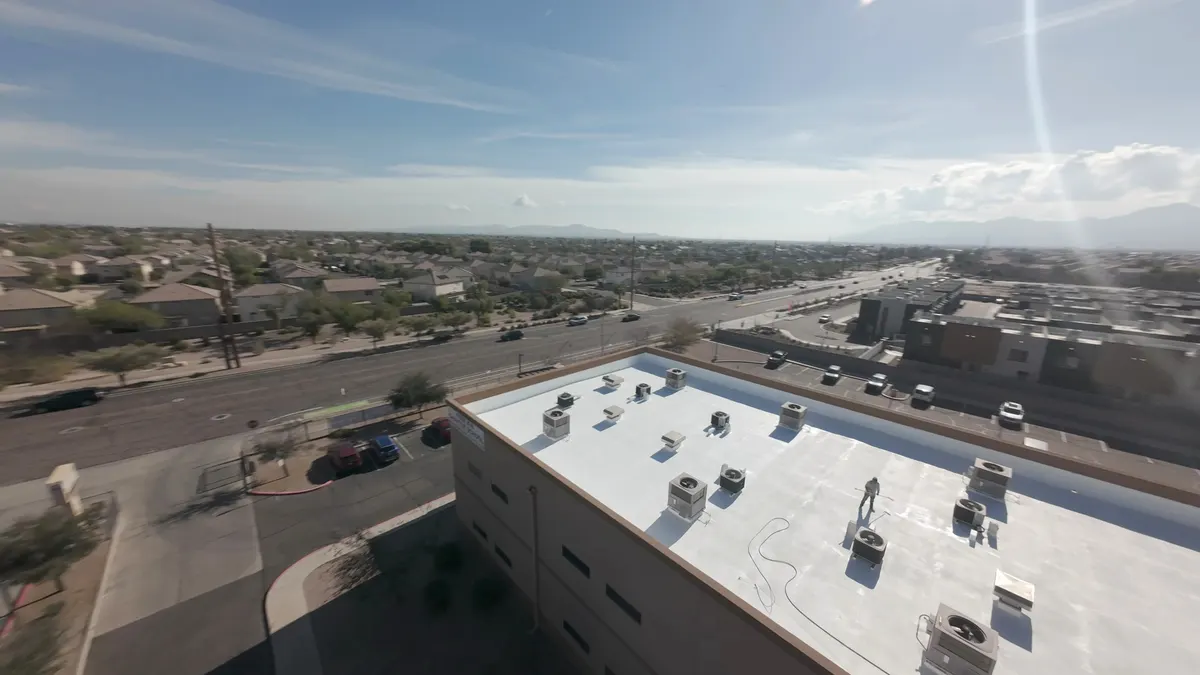
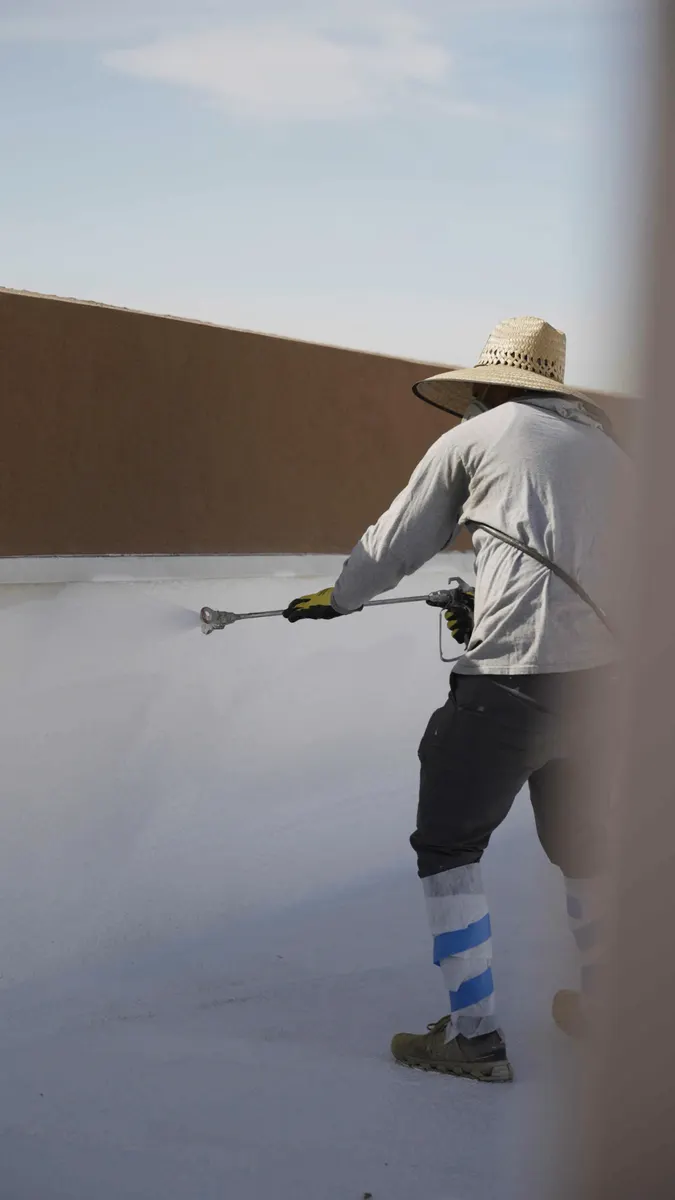
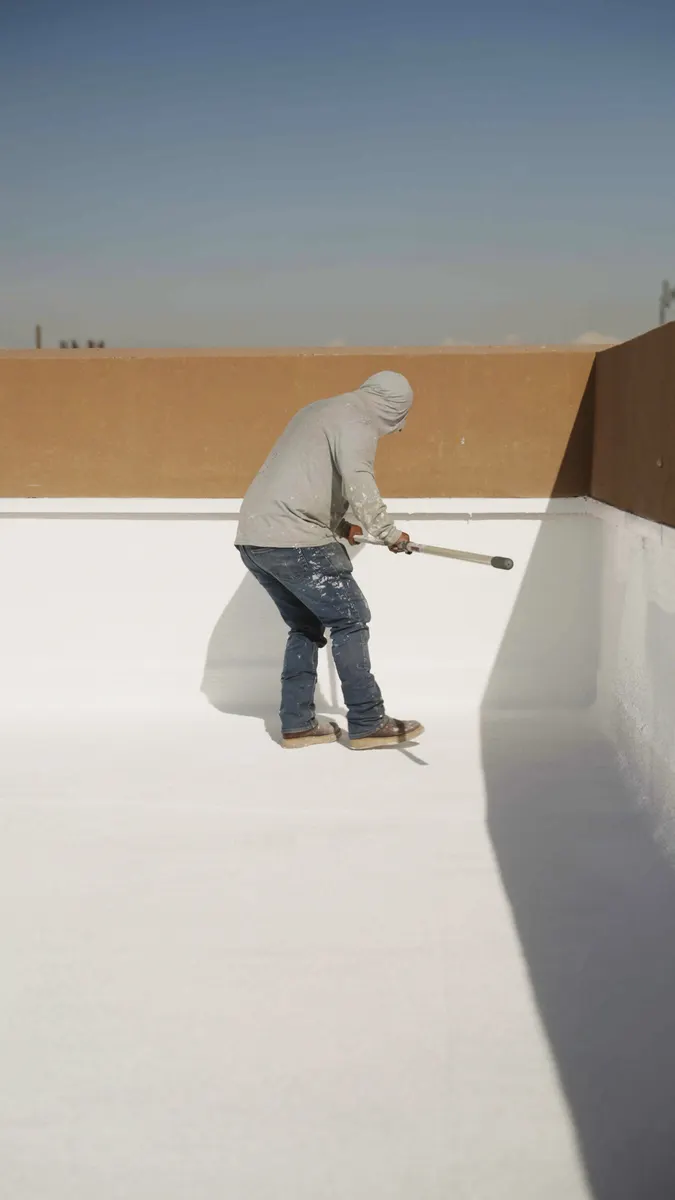
Roof Coating Work by Our Crews
Guides and cost breakdowns
- Foam Roof Cost in Arizona (2026 SPF Pricing Guide) (Cost guide)