Foam (SPF) Roofing in Arizona
Spray polyurethane foam roofing for flat and low-slope roofs. Superior insulation and seamless waterproofing for monsoon season. Call (602) 849-7990.
See roof coatings for foam recoats and flat roof repair for leaks, scuppers and ponding.
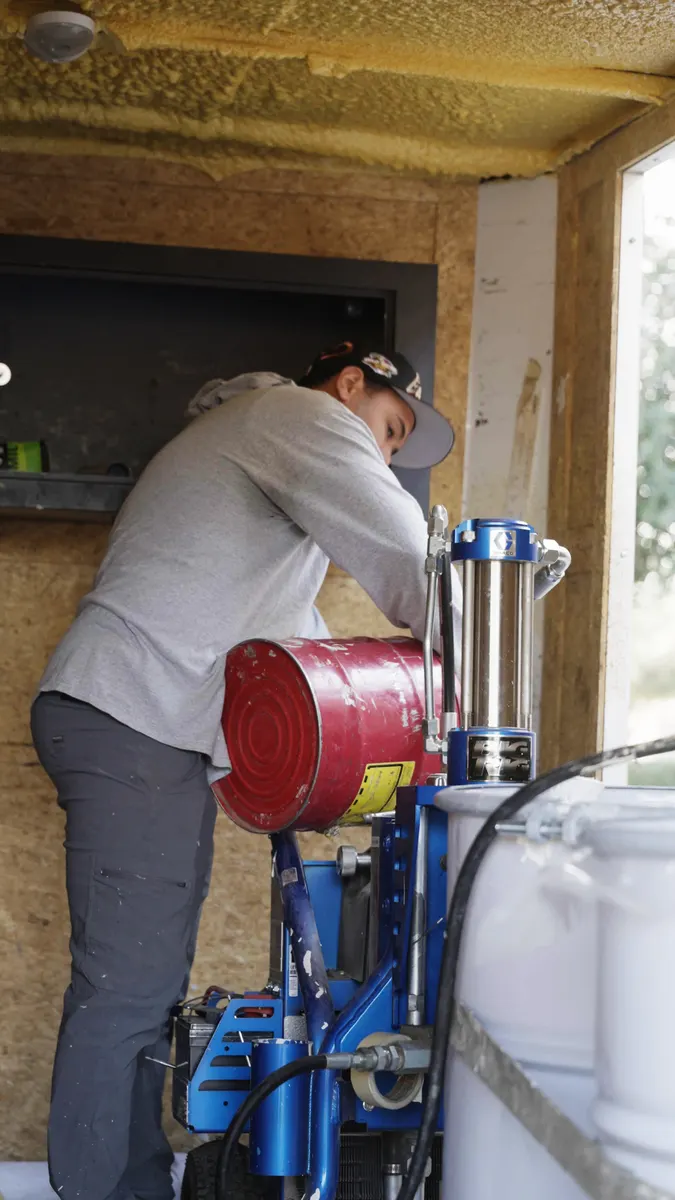
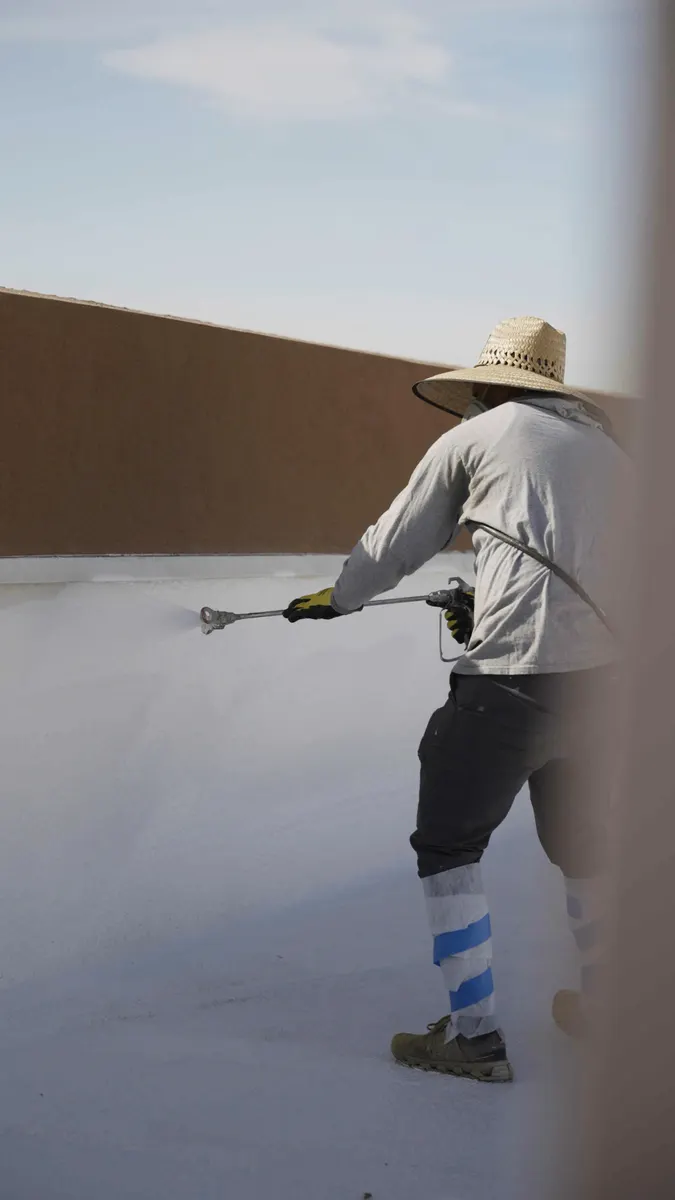
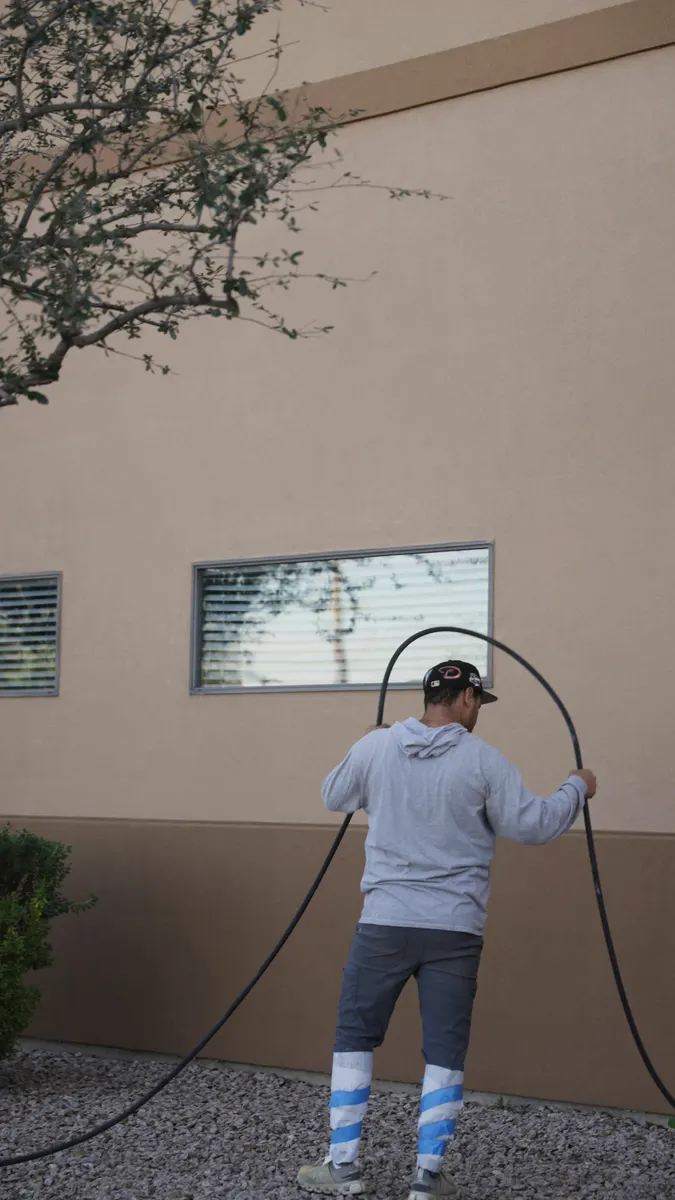
Our Crews at Work on Flat Roofs
Foam Roofing in Arizona: How It Fails, When to Recoat, and What It Costs
A foam roof is two things working together. The foam is the insulation and the waterproof body of the roof. The coating on top is the only thing protecting that foam from the sun. When the coating stays intact, foam roofs do well in the Valley. When the coating wears through, the foam underneath starts breaking down, and that is where most foam roof problems begin.
This guide covers how a foam roof is built, why foam roofs fail in Phoenix-area heat and monsoon storms, how to tell whether a roof needs a recoat, repairs or new foam, how coatings differ, what the work costs, and what permits and HOAs usually require.
What we do on foam roofs
We work on foam roofs on homes, patio covers, Arizona rooms, additions, and commercial and multifamily buildings across the Phoenix area. Most foam jobs fall into one of these groups:
- Recoating sound foam whose top coat has worn thin, chalked or cracked
- Cutting out and replacing foam that has soaked up water
- Patching foam that was punctured by foot traffic, dropped tools, hail or debris
- Repairing blisters and coating that has peeled away from the foam
- Re-sealing foam where it meets parapet walls, scuppers, skylights, vents and AC stands
- Building up low spots with new foam so water drains instead of ponding
- Spraying new foam over an existing flat roof that is dry and sound enough to cover
- Tearing off a failed flat roof and installing a new foam system
- Detaching and resetting solar panels so the roof under them can be worked on
How a foam roof is put together
Roofing foam is sprayed on as a liquid and expands within seconds into a rigid, closed-cell layer. The foam made for roofs is denser than the foam used in walls, usually about 2.5 to 3 pounds per cubic foot, so it can handle normal foot traffic once it is coated.
Because the foam goes on in layers, the crew can make it thicker in some places and thinner in others. That is how a foam roof gets its slope. Building codes call for foam roofs to slope at least a quarter inch per foot so water runs to the drains and scuppers.
The coating has to go on soon after the foam. The building code requires the protective coating within 72 hours of spraying the foam, and not sooner than 2 hours after. Foam left bare longer than that starts to break down in the sun.
Some roofs also get roofing granules pressed into the last coat. The granules make the surface tougher and less slippery around equipment and walkways where people step most.
Why foam roofs fail in the Phoenix area
Sun is the main cause. Foam has almost no resistance to ultraviolet light on its own. Every summer bakes the coating a little thinner. Once it wears through, the exposed foam turns brown, then crumbly, and starts absorbing water. A spot that looks like a small dark patch in spring can be soft by the end of monsoon season.
Heat makes it worse. A roof surface here can reach 150 degrees or more on a summer afternoon and then cool off overnight. That daily swing works on the coating, especially at edges and around anything that sticks through the roof.
Water that sits is the next problem. Roofers define ponding as water still standing 48 hours after rain stops in drying weather. On a foam roof, ponding usually means a low spot, a sagging deck or a blocked scupper. Standing water wears coatings faster and finds any crack in them. Monsoon season, which runs June 15 to September 30, is when most hidden drainage problems show up.
Damage from people is common too. Foam is firm, but a dropped wrench, a ladder foot or an HVAC tech kneeling on a sharp tool can puncture the coating. Those small holes are easy to fix early and expensive to fix after water has spread through the foam around them.
Finally, the edges. Many foam roof leaks start where the foam meets a parapet wall, a scupper, a skylight curb, a vent pipe or an old AC or cooler stand. Those joints move as the building heats and cools, and the coating there is the first to crack.
Recoat, repair or new foam? How we decide
The question that decides almost every foam job is whether the foam is dry. Dry foam with worn coating is a recoat. Wet foam has to come out, because coating over it traps the water, and the new coating will blister and fail.
To check, we walk the roof and press on areas that look dark, cracked or blistered to find soft spots. Where needed, small cut samples show how thick the coating still is and whether the foam under it is dry. Each sample spot is sealed afterward.
A recoat is usually the right call when:
- The coating is chalky, thin or lightly cracked, but the foam under it is firm and dry
- Any exposed foam is limited to small spots that can be cleaned and patched
- Water drains off the roof within a day or two of a storm
When a recoat is not enough
Repairs come first when damage is in a few places. We cut out wet or crumbled foam, fill the area with new foam, shape it to match the slope around it, and coat it. Then the rest of the roof can be recoated in the same visit if it needs it.
New foam or a full replacement makes more sense when the problems are spread across the roof. These are the signs we look for:
- Wet foam in several areas, or one wet area that covers a large part of the roof
- Foam that has been bare to the sun long enough to wear down well below the original surface
- Large blisters or areas where the foam has separated from the roof deck
- Soft or rotted deck boards under the foam
- Ponding that patches cannot fix, because the roof needs to be re-sloped
- Several layers of old roofing under the foam, which limits what can go on top
Coating choices
Most foam roofs in Arizona are coated with acrylic, silicone or urethane coatings. Each has tradeoffs. Acrylics are water-based and reflect a lot of sunlight, but they don't like standing water. Silicones handle ponding and sun well, but they pick up dirt and very little else will stick to them, so a silicone roof is usually recoated with silicone. Urethanes are tougher against foot traffic and impact, and they are often used as a base coat or on busy commercial roofs.
The existing coating matters as much as the new one. Before we recoat a roof that already has silicone on it, we check that the new coating will bond, and we do an adhesion test when there is any doubt. Putting the wrong product over silicone is a common reason recoats peel within a few years.
Color matters in our climate. A white, reflective coating keeps the roof surface much cooler than a dark one. Federal energy guidance says a reflective roof can stay more than 50 degrees cooler than a conventional roof on a summer afternoon. How much that saves on cooling depends on the house, the attic or ceiling space below the roof, and how clean the coating stays.
Some cities set their own rules. Scottsdale's residential code, for example, sets a minimum solar reflectance for low-slope roofs in most areas. We use coatings with published reflectance ratings and check the local rule before we order.
What foam roofing costs
Foam roof projects we do in the Phoenix area usually run about $4,000 to $18,000. A recoat on a small patio or Arizona room roof sits near the low end. New foam over a whole flat-roofed home, or a tear-off with re-sloping, sits near the high end. Spot repairs to foam, like patching punctures or replacing a small wet area, usually fall in our general repair range of $300 to $5,000.
The things that move the price most are the size of the roof, how much wet foam has to come out, how thick the new foam needs to be to fix drainage, the number of parapets, scuppers and rooftop units to seal around, access for equipment, and whether solar panels have to be detached and reset. Commercial foam roofs vary too much to quote a range. An estimator walks the roof and gives you a written price before any work starts. Financing is available.
How a foam roof job works
It starts with an inspection. An estimator walks the roof, checks the coating and the foam, looks at drainage, and photographs what we find. You get those photos and a written scope that says whether we are recoating, repairing, adding foam or replacing.
On work day, the crew cleans the roof first. Dirt, loose coating and chalk keep new coating from bonding, so this step takes longer than people expect. Then we cut out any wet or damaged foam, fill and shape those areas, and seal around walls, scuppers and penetrations.
Coatings go on in more than one pass so we can build the thickness the product calls for. Foam and coating both need a dry surface and calm enough wind to spray, so we schedule around rain and wind and cover nearby walls, windows and cars when we spray.
When the job is done, we send photos of the finished roof and note anything we saw that you should watch, such as a scupper that clogs or an old AC stand that will need attention later. Our work is backed by our 10-year workmanship warranty (25-year available).
Keeping a foam roof in shape
Foam roofs reward a little attention. Industry guidance is to inspect them at least once a year and again after hail, high winds or long stretches of rain, and any time someone has worked on equipment on the roof. Simple habits make a difference:
- Clear scuppers, gutters and drains before monsoon season starts
- Ask HVAC, solar and satellite technicians to use walk pads and not drag tools across the roof
- Look for dark brown spots, blisters, peeling coating and puddles that last more than two days
- Have small punctures sealed right away, before water spreads into the foam
- Plan the next recoat when the coating is getting thin, not after foam is showing
Solar panels on a foam roof
Solar mounts are one of the most common places a foam roof leaks, since every mount goes through the coating and foam. Panels also hide the roof underneath, so worn coating there often goes unnoticed. When a recoat or repair reaches the area under panels, we detach the solar, do the roof work, re-seal the mounts, and reset the panels afterward.
Permits and HOAs
Most Valley cities don't require a permit to recoat or repair a foam roof, or to replace it with the same kind of roof. The details differ from city to city. Some, like Tempe and Scottsdale, require a permit if deck boards or framing are replaced. Some don't list re-roofing as exempt at all. Switching to a different roofing material generally needs a permit. Our city guides spell out each city's rule, and where the code is unclear we confirm with the city before work starts.
If you live in an HOA, recoating in the same color usually isn't an issue, but some associations review roof color or material changes, even on flat roofs. Some historic districts also limit roof types; Scottsdale's Village Grove guidelines, for example, list foam as not appropriate on the main roof. Check your CC&Rs or district rules before changing materials, and we'll provide the product sheets your association asks for.
Where We Work
- Phoenix
- Mesa
- Chandler
- Scottsdale
- Gilbert
- Tempe
- Glendale
- Peoria
- Surprise
- Goodyear
- Avondale
- Buckeye
- Queen Creek
- Maricopa
- Fountain Hills
- Paradise Valley
- Cave Creek
- Carefree
- Litchfield Park
- Tolleson
- El Mirage
- Wickenburg
- Youngtown
- Guadalupe
- Sun City
- Sun City West
- Sun Lakes
- Gold Canyon
- Apache Junction
- Anthem
- New River
- Rio Verde
- Ahwatukee
- Fort McDowell
Guides and cost breakdowns
- Foam Roof Cost in Arizona (2026 SPF Pricing Guide) (Cost guide)
- Flat Roof Drainage in Arizona: Parapets, Scuppers, Ponding and Monsoon Leaks (Guide)
- Roof Coatings in Arizona: Silicone vs Acrylic, When Coating Works and When It Doesn't (Guide)
- Skylight Leaks in Arizona: Causes, Fixes and When to Replace the Skylight (Guide)
- Commercial Roofing Systems Explained: TPO, Foam, EPDM, Modified Bitumen and More (Guide)
- Flat Roof vs. Pitched Roof in Arizona: Pros, Cons and Best Uses (Guide)
- Cool Roofs in Phoenix: How Reflective Roofing Works and When It Pays (Guide)
- Arizona Roofing Materials Guide: Tile, Shingle, Metal, Foam and TPO (Guide)